A Buyer's Guide to Cannabis Honey Oil for Sale Online
What Makes Honey Oil a Standout Concentrate
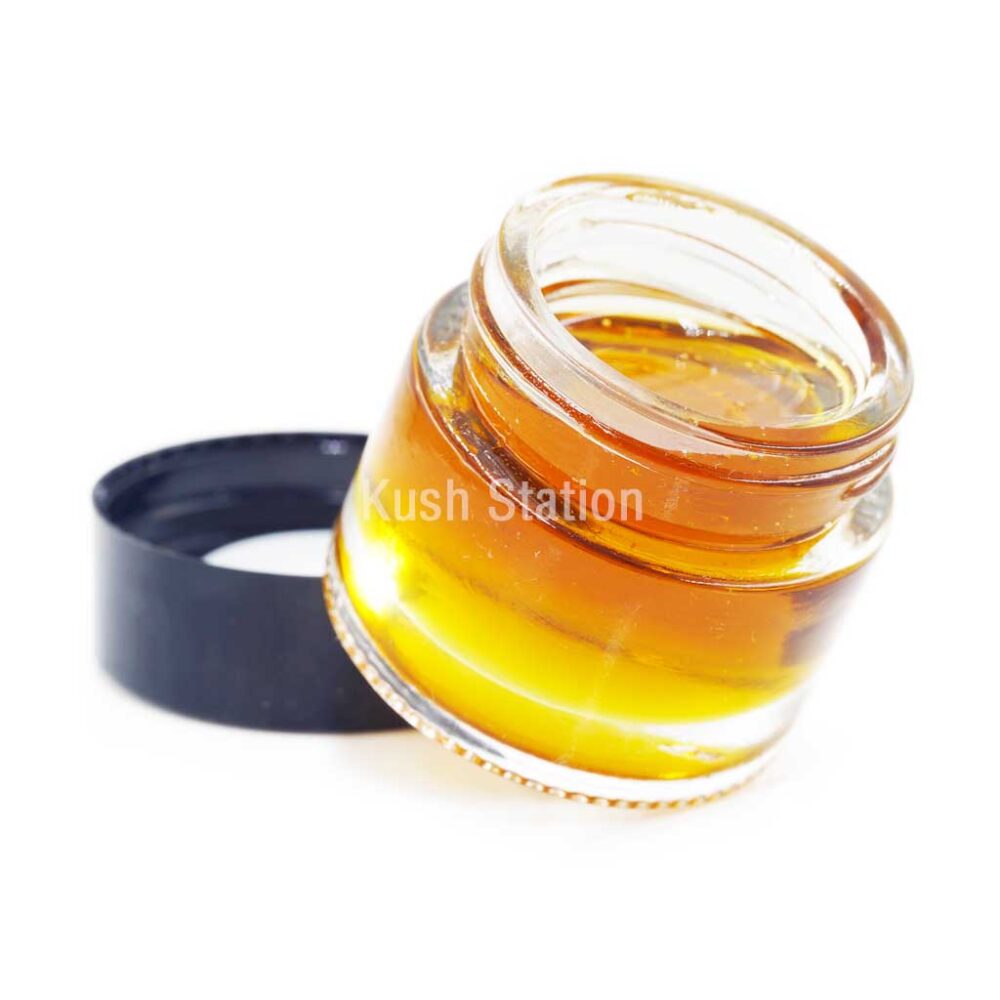
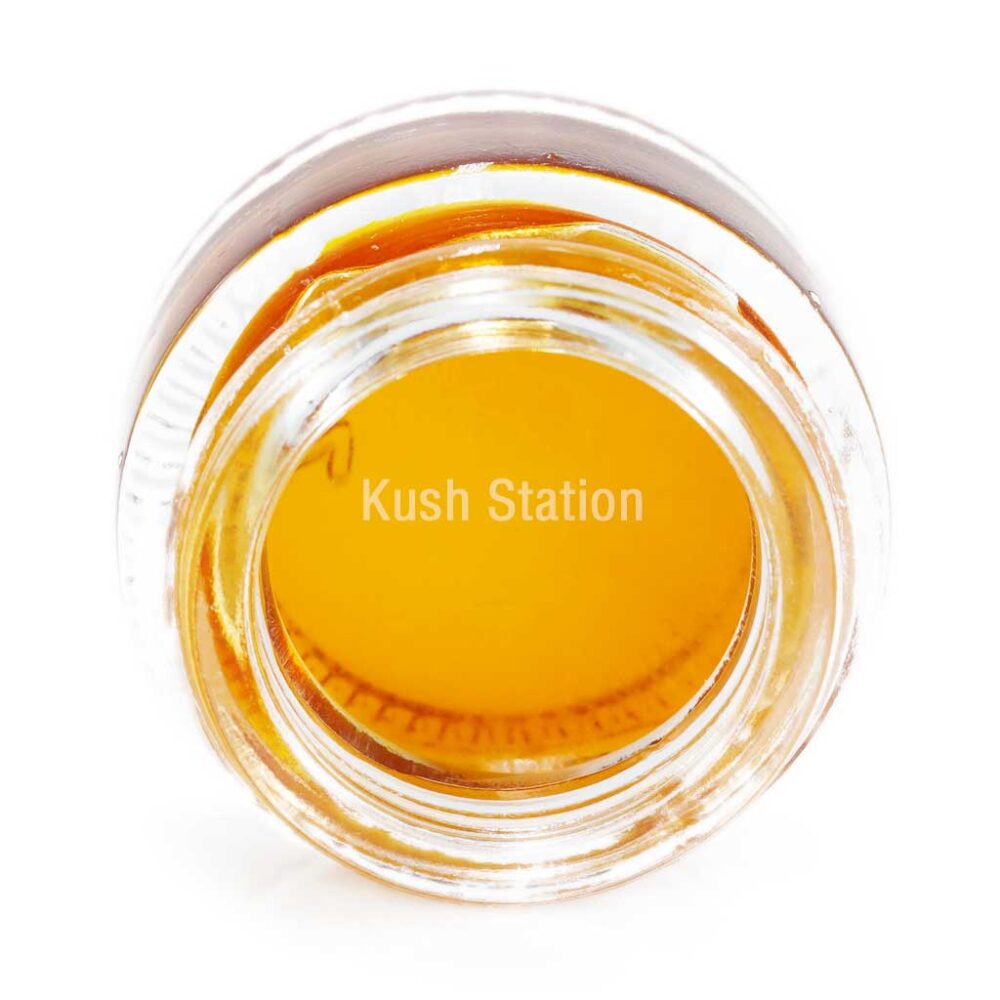
When you start looking at cannabis concentrates, you quickly notice that honey oil holds a special place among experienced users. Its name comes from the golden, syrupy look that resembles raw honey. But the real draw is the potency and the flavor. Honey oil is usually extracted using solvents like butane or CO2, which pull the cannabinoids and terpenes out of the plant material while leaving behind most of the waxes and fats. The result is a concentrate that can test above 70% THC, sometimes much higher, and that retains a rich profile of terpenes. For someone who has tried a lot of dabs, honey oil hits a sweet spot between full-spectrum extracts like live resin and the more refined, crystalline forms like isolate. It carries the character of the strain without the heavy plant matter.
Honey oil is versatile, too. You can load it into a dab rig for a quick, intense session, or you can fill a cartridge for a vaporizer and stretch it out through the day. Many people also use it to boost the potency of a bowl or a joint. Because it is so concentrated, a little goes a long way. That is why when you see cannabis honey oil for sale from an online dispensary, the prices vary widely by strain and by how the oil was processed. A high-terpene, solventless extraction honey oil will cost more than a run made with ethanol, but the flavor and effect can justify the difference.
What to Look for When Shopping for Honey Oil
The first thing I check is whether the product is lab-tested. A reputable online store like Kush Station includes third-party testing results for their honey oil. Those reports show the THC and CBD percentages, the terpene profile, and whether any residual solvents remain. Residual solvents matter because poorly purged honey oil can irritate your lungs and ruin the taste. Good honey oil should have no trace of butane or ethanol after the extraction process. If the lab result shows below 10 parts per million for any solvent, you are in a safe zone. For everyday use, I prefer oil that tests under 5 ppm.

Next, consider the strain. Indica honey oil tends to produce a heavier, more relaxing body high. Sativa honey oil gives a clearer, more energetic head high. Hybrid honey oil sits in between, balancing the two. Your choice depends on what you want from the experience. If you are using the oil for pain relief or sleep, an indica strain like a classic Northern Lights or a Bubba Kush is a safe bet. For daytime creativity or socializing, a sativa like Green Crack or Super Lemon Haze works well. Hybrids such as Girl Scout Cookies offer a middle ground that many people enjoy regardless of the time of day. When you browse a shop that has cannabis honey oil for sale, you can often filter by strain type to match your needs.
Potency and Full-Spectrum Claims
Some honey oil products are labeled "full-spectrum", which means the extraction process preserves a wide range of cannabinoids and terpenes, not just THC. Full-spectrum oil can contain CBD, CBG, CBC, and other minor cannabinoids that work together to produce what people call the entourage effect. That can make the high feel more rounded and less one-dimensional. On the other hand, if you are looking for maximum THC potency, a full-spectrum oil might test lower in THC percentage because it contains other compounds. For many users, the trade-off is worth it. I have found that a full-spectrum honey oil from a known strain gives a richer flavor and a more predictable effect than a super-high-THC oil that lacks depth.
Extraction Methods: Solvent vs. Solventless
How the oil is made directly affects its quality and price. The two main categories are solvent-based extraction and solventless extraction. Solvent-based methods use butane, ethanol, or CO2 to strip cannabinoids and terpenes from the plant. CO2 extraction is often considered the cleanest of the solvent methods because CO2 is a gas at room temperature and leaves no residue. Butane and ethanol extractions are cheaper, but they require thorough purging afterward. Solventless extraction uses mechanical separation, usually through ice water and agitation, to produce something more like bubble hash that is then pressed into oil. The advantage of solventless is that nothing is added to the plant, so the final product is as pure as the starting material. The disadvantage is that yield is lower, which raises the price. For someone who values the cleanest possible product for daily dabbing, solventless honey oil is a strong choice. For occasional use or for mixing into edibles, a well-purged CO2 extract offers good value.
How to Use Honey Oil
If you are new to concentrates, honey oil can be a little intimidating because it is so sticky and potent. The most common method is to use a dab rig. You heat a quartz or titanium nail with a torch, let it cool to the right temperature (usually 350 to 450 degrees Fahrenheit), then apply a small drop of oil. The oil vaporizes instantly, and you inhale through the rig. A low-temperature dab preserves more flavor, while a higher temperature gives a bigger cloud but can burn off terpenes. Another popular option is a vaporizer designed for concentrates, like a portable e-rig or a refillable cartridge. These devices heat the oil evenly and let you control the temperature precisely. They are more convenient for on-the-go use and for people who do not want to deal with a torch. Some people also mix a tiny amount of honey oil into a joint or a bowl to boost the potency without changing the smoking experience too much.
Price Ranges and Value
Honey oil prices vary, but you can expect to pay a premium over dried flower. A good rule of thumb is that a gram of quality honey oil costs roughly three to five times the price of a gram of flower from the same tier. For example, if an eighth of premium flower costs $40, a gram of premium honey oil might run $40 to $60. Strains that are harder to grow or that have exceptional terpene profiles will be more expensive. When you shop at an online dispensary like Kush Station, you will see price breaks for buying larger amounts, such as 3.5 grams or a quarter ounce. If you use honey oil regularly, buying in bulk can save you 15 to 25 percent compared to single grams. The trade-off is committing to one strain for a while, but if it is a strain you already know you like, that is a good deal.
Storage and Shelf Life
Honey oil is sensitive to heat, light, and air. Store it in a cool, dark place, preferably in a glass container with an airtight seal. If you keep it in a silicone container, it can be fine for a few weeks, but silicone can leach terpenes over time and dry out the oil. For long-term storage, use a glass jar in a drawer or a cabinet. Properly stored, honey oil can stay potent and flavorful for six months to a year. After that, the THC slowly degrades into CBN, which is more sedating and less psychoactive.
Why Third-Party Testing Matters
The industry is still young, and not every producer tests their oil thoroughly. That is why I always prioritize products that come with a certificate of analysis from an independent lab. Third-party testing verifies the THC and CBD percentages, checks for contaminants like heavy metals or pesticides, and confirms that the solvent levels are safe. When you see a product listed as lab-tested, you have a clear picture of what you are getting. A shop that puts those results on the product page, like Kush Station does, is showing transparency. That builds trust, especially for people who use concentrates for medical reasons or who have a low tolerance and need to know the exact potency to avoid overconsumption.
Final Thoughts on Finding the Right Honey Oil
If you are searching for cannabis honey oil for sale, take the time to read the product descriptions and the lab results. Look for a clear indication of the extraction method, the strain, and the terpene profile. A good online dispensary will give you that information because they want repeat customers. Talk to other users in forums or at your local shop about which strains they prefer for honey oil. Personal experience varies a lot, so what works for one person might not work for another. Start with a small amount, especially if you have a low tolerance, and work your way up. Honey oil is potent, and it is easy to take too much if you are not careful. With the right product and the right approach, honey oil can be one of the most satisfying ways to enjoy cannabis concentrates.